2026 Best Lead Time for Custom Hospitality Furniture?

Time:2026-07-02 Author:Aria
0%

In the world of hospitality, custom furniture plays a crucial role in creating memorable guest experiences. Hoteliers and restaurateurs often ask, "What is the lead time for custom hospitality furniture?" Understanding this timeline is essential for effective planning. Delays can impact project deadlines and ultimately affect guest satisfaction.

The lead time for custom pieces can vary widely. Factors include design complexity, material availability, and the manufacturer's workload. For instance, while some suppliers may deliver in a month, others can take several months. This variability can be frustrating for those who need quick solutions. Moreover, unforeseen challenges during production may extend the timeline, highlighting the importance of contingency planning.

Finding a reliable partner who understands these dynamics is critical. Expertise in the field can provide insights into realistic timelines. A reputable manufacturer will communicate openly about delays and capabilities. This transparency allows clients to adjust their expectations and make informed decisions. Focusing on collaboration with industry experts can lead to better outcomes, even when issues arise.
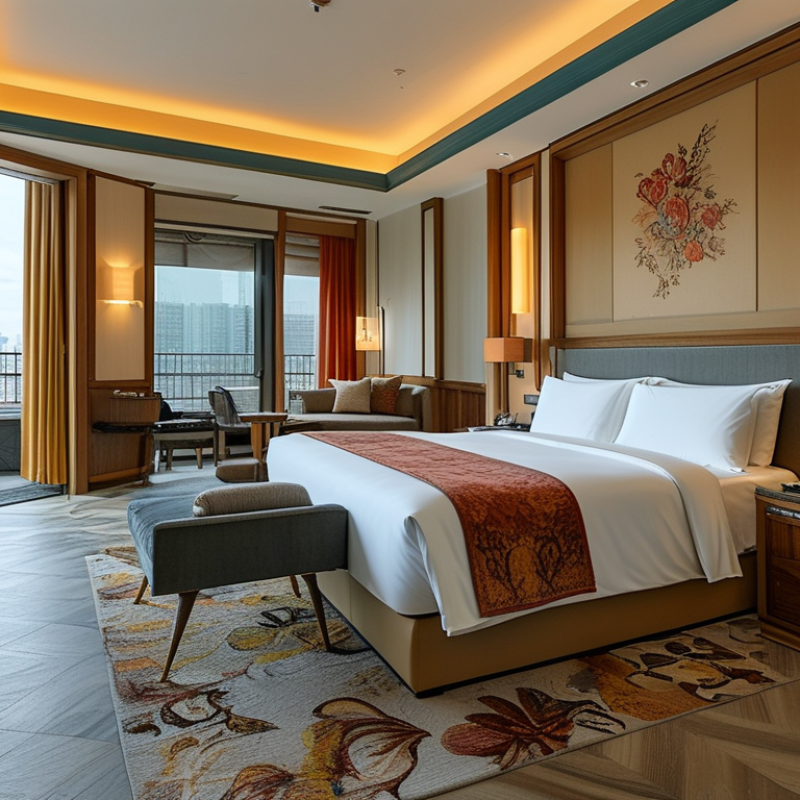
2026 Best Lead Time for Custom Hospitality Furniture?

Understanding Lead Time in Custom Hospitality Furniture Production

Lead time is crucial in custom hospitality furniture production. It refers to the total time taken from design to delivery. Understanding this concept is essential for businesses in the hospitality industry. Custom furniture often requires specialized materials and craftsmanship. This can extend the lead time, complicating project management.

Multiple factors affect lead time, including sourcing materials and fabrication processes. Suppliers may have varying production schedules. Delays can occur if specific woods or fabrics must be imported. It’s vital to communicate clearly with manufacturers. Regular updates can help manage expectations and adjust timelines.

Effective planning can mitigate delays. Establishing a clear timeline with milestones is beneficial. For example, preliminary concepts should be finalized early. This allows for quicker transitions into production. However, unforeseen issues can arise. Flexibility is necessary to navigate unexpected challenges. Investing time upfront can save significant delays later in the process. Managing lead time effectively builds trust with clients.

2026 Best Lead Time for Custom Hospitality Furniture

Furniture Type Typical Lead Time (Weeks) Customization Level Factors Influencing Lead Time
Guest Room Furniture 10-12 High Material availability, design complexity
Dining Furniture 8-10 Medium Production schedule, seasonal demand
Lobby & Reception Area Furniture 6-8 Low Supplier location, design approval times
Outdoor Furniture 12-16 High Weather conditions, material sourcing
Custom Fixtures & Fittings 14-20 Very High Design intricacy, manufacturing process

Factors Influencing Lead Time for Custom Furniture Orders

When it comes to custom hospitality furniture, lead time is crucial. Several factors affect this timeline. For instance, the complexity of the design can significantly extend production time. Intricate details may require specialized craftsmanship, leading to delays. Additionally, the materials chosen for the furniture play a vital role. Sourcing high-quality wood or textiles can take longer than expected.

Another key factor is the manufacturer’s workload. In peak seasons, production may slow down. It’s essential for businesses to plan ahead. Communicating with manufacturers can help establish realistic timelines. Having a clear understanding of their processes can prevent surprises later on.

Market trends also influence lead times. If a particular design becomes popular suddenly, manufacturers may struggle to keep up. Custom orders might face longer waits. Clients should consider flexibility in their choices. Being open to alternative materials or designs can help speed up production. This approach not only saves time but may also lead to unique solutions.

Optimal Lead Time Recommendations for Hospitality Projects

When planning custom hospitality furniture projects, lead time is crucial. The optimal lead time often varies based on the complexity of the project. For straightforward designs, a lead time of around 6 to 8 weeks is typical. However, more intricate pieces can require 10 to 14 weeks. Understanding these timelines can help you set realistic expectations.

Tips: Communicate with manufacturers early. Discuss your needs and potential timelines openly. Mistakes happen. Sometimes, required materials face delays. This can push back your project. Being adaptable is key.

Additionally, consider factors like shipping and installation times. International shipments can add several weeks to your schedule. It’s vital to account for possible complications. Furniture should not only fit the aesthetic but must also function effectively in the space. Analyze your venue’s needs to avoid over or under-ordering.

Tips: Review your space before ordering. Measure dimensions carefully. Pay attention to the interaction of furniture with other elements. Reflect on how the layout impacts service efficiency.

Strategies to Reduce Lead Time in Custom Furniture Manufacturing

Custom hospitality furniture can significantly impact guest experiences. However, managing lead times remains a challenge. Industry reports show that lead times can range from six weeks to several months. A recent survey stated that 45% of interior designers experienced delays in custom furniture orders. This impacts project timelines and budgets.

To reduce lead time, manufacturers can adopt lean production techniques. Streamlining processes and minimizing waste can lead to faster turnaround times. Research indicates that companies following lean principles can reduce production times by up to 30%. Using digital technologies also helps. 3D modeling allows for quick design modifications, preventing costly production errors.

Another effective strategy is enhanced communication. Clear collaboration between designers, manufacturers, and clients ensures everyone is aligned on expectations. One study found that improved communication reduced project delays by 20%.

Nevertheless, it is crucial to acknowledge that despite these strategies, unexpected challenges may arise. Natural disasters or supply chain disruptions can still impact timelines. It's vital to remain adaptable and prepared for unforeseen circumstances in the custom furniture manufacturing process.

Impact of Lead Time on Hospitality Business Operations and Planning

Lead time is crucial in the hospitality industry. It directly impacts the efficiency of operations, ultimately affecting guest satisfaction and profitability. The National Restaurant Association reports that poor inventory management leads to a loss of up to 15% in revenue. This highlights the need for precise lead time in sourcing custom furniture that aligns with renovation schedules or seasonal demands.

Long lead times can cripple operational flow. When new furniture arrives late, guest experiences suffer. Hotels and restaurants may face diminished reviews, affecting future bookings. According to a survey by Hospitality Technology, 70% of guests rate timely service as their top priority. Custom furniture should enhance, not hinder, the guest experience.

Tip: Always maintain open communication with suppliers. This helps ensure realistic lead times. Consider purchasing furniture during off-peak periods to mitigate delays.

Planning is key. Integrated management software can streamline tracking and forecasting. Frequent reviews can help identify bottlenecks in your supply chain. Contemplating different options like local sourcing might also reduce lead times. It’s essential to be proactive rather than reactive in managing inventory and furnishings. Understanding and refining lead times will ultimately contribute to smoother operations and happier guests.

FAQS

: What factors influence lead time for custom furniture orders?

: Lead time can be affected by design complexity and material availability. Intricate details often require more time to produce.

How can a manufacturer’s workload affect my order?

During peak seasons, manufacturers may experience delays. Planning ahead is essential for timely delivery.

What is the typical lead time for straightforward furniture designs?

For simple designs, expect a lead time of 6 to 8 weeks.

How long might intricate pieces take to produce?

Complex pieces typically require 10 to 14 weeks for production.

What should I do if materials get delayed?

Communication is key. Be adaptable and prepared for potential setbacks in your project schedule.

Why is flexibility important when ordering custom furniture?

Being flexible with materials or designs can speed up production and lead to unique furniture solutions.

How do shipping times impact my overall lead time?

International shipping can add several weeks. Always account for possible complications in your timeline.

What should I consider before placing a furniture order?

Measure your space carefully. Analyze how furniture will interact with other elements in the venue.

Why is it essential to communicate with manufacturers early?

Discussing needs and timelines early helps set realistic expectations and can prevent future surprises.

How does design popularity influence lead times?

If a design trend rises quickly, manufacturers may struggle to meet demand, causing longer wait times for custom orders.

Conclusion

Understanding the lead time for custom hospitality furniture is crucial for effective project planning in the hospitality industry. Lead time refers to the duration from placing an order to the delivery of the finished product, and it can be influenced by several factors such as design complexity, materials used, and the production capacity of the manufacturer. Recommendations for optimal lead times suggest that custom furniture projects should allow for ample time to accommodate these factors, typically ranging from several weeks to several months depending on the specifics of the order.

To minimize lead times, hospitality businesses can implement strategies such as selecting readily available materials, streamlining the design process, and maintaining proactive communication with manufacturers. Ultimately, understanding "what is the lead time for custom hospitality furniture" and its implications on business operations can lead to better resource management and improved service delivery in hospitality settings.

Aria

Aria

Aria is a dedicated marketing professional with a deep passion for innovative strategies and a keen understanding of our company's product offerings. With a wealth of experience in the industry, Aria excels at crafting engaging content that highlights the unique features and benefits of our......