Choosing the right finish for wooden restaurant tables is crucial. A durable finish not only enhances aesthetics but also impacts maintenance costs. According to a 2022 report by the National Restaurant Association, 65% of restaurant owners cite furniture longevity as a top priority. This leads us to the question: What is the most durable finish for wooden restaurant tables?
Various finishes are available, from oils to polyurethanes. Some finishes provide scratch resistance, while others offer better water protection. A study by Woodworking Network found that tables with a high-performance polyurethane finish last up to five times longer than those with traditional oils. However, the performance of each finish often depends on the type of wood and restaurant environment.
Diligent research is essential for making informed choices. Many restaurant owners overlook maintenance routines, which can compromise durability. Not every popular finish suits every establishment. Reflecting on the unique needs of your restaurant can lead to a more thoughtful decision. Ultimately, selecting a durable finish requires careful consideration of both history and future use.
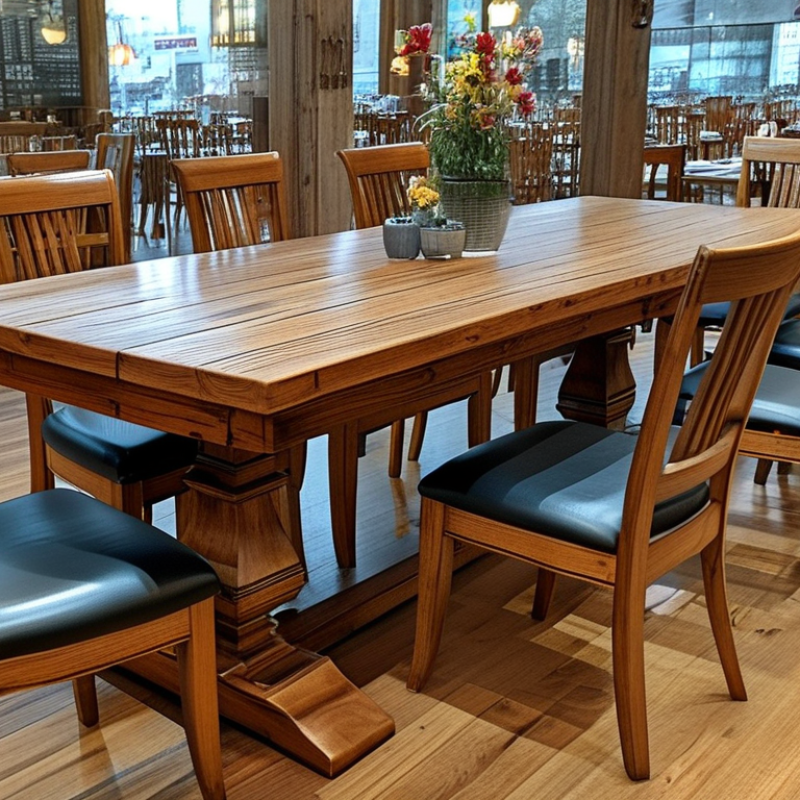
Durable finishes are crucial for wooden restaurant tables. They protect the wood from scratches, moisture, and stains. A study by the National Restaurant Association reported that wear and tear can significantly impact customer satisfaction. This highlights the need for high-quality finishes.
Choosing the right finish can extend the life of tables by up to 50%. Many restaurants overlook this point. Water-based finishes, for example, are environmentally friendly and quick-drying. However, they may not offer the strength of oil-based finishes. Understanding the trade-offs is essential.
Regular maintenance is also a key factor. Even the best finishes require touch-ups over time. A report from Finishing & Coatings Magazine shows that 30% of restaurants face challenges with their finish longevity. Selecting a finish that combines durability and ease of maintenance can lead to long-term cost savings.
Choosing the right finish for wooden restaurant tables involves several important factors. Durability should be at the top of your list. Different finishes offer varying levels of protection against spills and heat. For high-traffic areas, consider finishes that withstand frequent cleaning. A water-resistant finish can safeguard against moisture, while heat-resistant options are essential for serving hot dishes.
The aesthetics of the finish matter too. Different stains highlight the natural grain of wood differently. Some finishes impart sheen, while others create a matte look. The ambiance of your restaurant should align with the chosen finish. A rustic look may benefit from an oil-based finish, while a sleek dining area may shine with a polyurethane option.
Don’t forget about maintenance requirements. Some finishes demand more upkeep than others. Frequent reapplication can become burdensome. Look for finishes that offer a balance between easy care and durability. Test patches in your space can reveal how they respond to restaurant demands. Addressing these practical concerns will help you select a finish that not only enhances appearance but also stands the test of time.
When it comes to wooden restaurant tables, the finish you choose plays a vital role in durability and aesthetics. There are several types of finishes available, each with unique characteristics. Oil finishes penetrate the wood, enhancing its natural beauty but require frequent reapplication. They can create a warm, inviting look but are not the most protective option.
On the other hand, polyurethane finishes offer excellent durability. They create a robust surface that resists scratches and spills. However, they can look less natural than oil finishes. The application process is also more complex, requiring careful preparation. Another option is lacquer, which dries quickly and provides a hard finish. It offers a high gloss look but can be vulnerable to heat.
Ultimately, the best choice depends on your restaurant's style and maintenance capabilities. Consider your clientele and the type of food served. A finish that works for one type of dining environment may not suit another. Regularly assessing the condition of your tables can help you decide if a change is necessary. Choosing the right finish is a balance between durability and aesthetics.
| Finish Type | Durability | Water Resistance | Scratch Resistance | Ease of Application | Pros | Cons |
|---|---|---|---|---|---|---|
| Polyurethane | Very High | Excellent | Very Good | Moderate | Extremely durable, high gloss | Can yellow over time, difficult to apply |
| Varnish | High | Good | Good | Easy | Provides a rich finish, fairly easy to apply | Less durable than polyurethane, may need reapplication |
| Linseed Oil | Moderate | Fair | Fair | Easy | Natural finish, enhances wood grain | Requires frequent reapplication, not very water resistant |
| Epoxy | Extremely High | Excellent | Excellent | Difficult | Incredibly durable and waterproof | Can be difficult to apply evenly, limited working time |
| Acrylic | Moderate | Good | Moderate | Easy | Fast drying, low odor | Less durable than other finishes, may require frequent reapplication |
When selecting finishes for wooden restaurant tables, application techniques are vital. Proper preparation of the wood surface is the first step. This involves sanding to achieve a smooth texture. Dust and debris can ruin the finish, so thorough cleaning is essential. Each table should be inspected for imperfections before applying any product.
When applying the finish, consider using a brush for detailed work. It helps to achieve even coverage, especially in corners. Rollers can speed up the process but may not provide the same level of detail. Avoid overloading the application tool to prevent drips or uneven layers. Each coat should dry completely before applying the next one; this prevents issues with adhesion.
While glossy finishes may look appealing, they can show scratches easily. A matte finish can be more forgiving, but it might not be as resistant to moisture. Some finishes may require regular touch-ups, especially in high-traffic areas. The goal is to find a balance between durability and aesthetic appeal, which may take multiple tries to perfect. Every restaurant has unique needs; experimentation is often necessary.
Choosing the right finish for wooden restaurant tables is crucial for durability and aesthetics. However, maintaining those finishes can be equally important. Regular cleaning is essential to prevent the buildup of grime. According to industry reports, proper care can extend the life of table finishes by up to 50%. Using a mild soap solution and soft cloths can prevent scratches and preserve the sheen.
Environmental factors also play a significant role in table finish longevity. High humidity can lead to wood swelling, while extreme dryness can cause cracking. Regular monitoring of the restaurant's climate is advised. Adjusting temperature and humidity levels can mitigate these issues, ensuring the finishes remain intact.
Periodic reapplication of finish can significantly enhance durability. A study by the National Wood Flooring Association underscores that unfinished wood can wear out three times faster than properly maintained surfaces. While it might seem tedious, this routine effort pays off, as it fosters a welcoming environment for patrons and reduces long-term replacement costs. Many fail to prioritize this, leading to regret when faced with early deterioration.
: Durability, aesthetics, and maintenance requirements are key factors to consider.
Different finishes offer varying protection against spills, heat, and moisture.
Proper sanding, cleaning the surface, and applying coats evenly are crucial for durability.
Glossy finishes can show scratches easily, while matte finishes can be more forgiving against imperfections.
Regular cleaning with mild soap and soft cloths helps prevent grime and preserve the finish.
High humidity can cause swelling, while low humidity may lead to cracking of the wood.
Periodic reapplication is needed to enhance durability. It keeps the surface in good condition.
Many find maintenance tedious, leading to regret when finishes deteriorate prematurely.
Testing patches in your space can reveal how finishes will respond to restaurant conditions.
Overloading application tools can cause drips or uneven layers, leading to a poor finish.
Choosing the right finish for wooden restaurant tables is crucial for ensuring durability and longevity. A durable finish not only enhances the aesthetic appeal of the tables but also protects them from wear and tear associated with high traffic environments. Factors such as the type of wood, usage patterns, and desired appearance play a significant role in determining the finish you select.
When evaluating options, it’s essential to compare the pros and cons of various finishes, such as polyurethane, varnish, or oil, to find what suits your needs best. Application techniques also impact the effectiveness of the finish, so proper methods should be observed. Additionally, regular maintenance is key to extending the life of the table finishes. Ultimately, if you are wondering "What is the most durable finish for wooden restaurant tables?", considering these factors will guide you toward a choice that balances durability with visual appeal.

TwinVibe Furniture