Finding the right table height for bar seating is more than just aesthetics; it impacts comfort and functionality. Renowned interior designer, Sarah Johnson, emphasizes this point, stating, "The perfect table height makes or breaks the bar experience." With many options available, it can be challenging to know how to determine the right table height for bar seating.
Consider the typical height of bar stools, which usually ranges from 28 to 32 inches. The standard counter height is around 36 inches. This measurement ensures enough legroom and comfort for your guests. Yet, adjusting for individual preferences is vital. Some may prefer higher or lower settings for varied experiences.
Every venue has unique characteristics. For instance, a relaxed pub might benefit from lower tables and stools, while upscale bars might opt for taller setups. It’s essential to balance style and comfort. If you overlook these factors, the seating could feel cramped or awkward. Aim for a blend of practicality and curated aesthetics to create an inviting atmosphere.
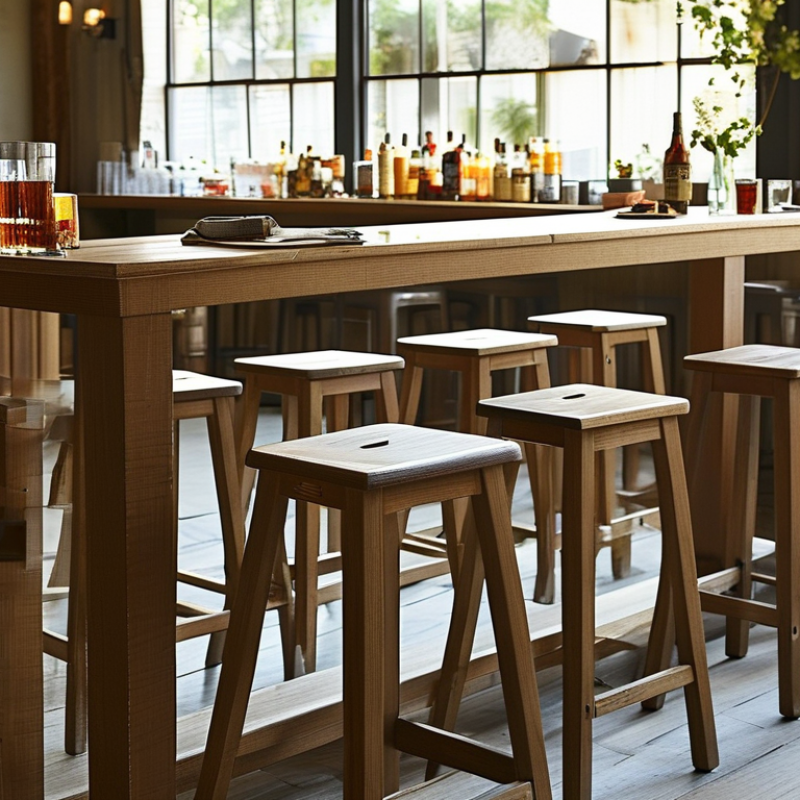
Choosing the right height for bar tables requires an understanding of standard measurements and variations. Most bar tables range from 28 to 32 inches high. This range accommodates various seating options. Standard bar stools typically stand 28 to 30 inches in seat height. Matching these dimensions ensures comfort and usability.
Certain reports indicate that counter-height tables are also popular. These tables usually stand between 34 to 36 inches high. They work well with counter stools, which typically have a seat height of 24 to 26 inches. Considering user feedback, about 20% of patrons prefer counter-height tables for a more casual dining experience.
Some variations, such as outdoor bar tables, can be taller, reaching up to 42 inches. These tables may need bar stools that are at least 30 inches in seat height. While taller tables provide a unique atmosphere, they can be uncomfortable for extended sitting. User surveys often highlight this as a concern. Assessing the right height for your space is essential to meet user needs and preferences effectively.
This bar chart illustrates the comparison of standard bar table heights. The standard bar height is typically around 40 inches, while counter heights are usually about 36 inches. Custom heights can vary based on specific needs or designs.
When selecting the perfect height for bar seating, several key factors must be considered. The standard bar height typically ranges from 40 to 42 inches. This is suitable for most bar stools, which usually stand between 28 and 32 inches. However, personal preference and comfort play crucial roles. Some might prefer a slightly taller or shorter setup for ease of access.
Another important aspect is the purpose of the bar space. Is it meant for entertaining? Relaxation? Dining? These questions influence the table height you choose. If your bar area serves as a place for dining, ensuring a comfortable meal experience is vital. In contrast, if it's primarily a space for casual drinks, a lower height may suffice.
A successful bar height setup balances aesthetics and functionality. Aim for consistency between the table and seat height to avoid discomfort. As with any design choice, it may require some trial and error. Measure carefully and consider how different heights impact overall use. Reflecting on your experiences with seating can help refine your choices.
Choosing the right bar height is crucial for comfort and ergonomics. Bar seating often requires different dimensions than standard dining chairs. The ideal height for bar tables typically ranges from 40 to 42 inches. This allows most bar stools, usually 28 to 30 inches, to fit comfortably beneath the table. However, personal preference plays a significant role.
Seating ergonomics emphasize the relationship between body posture and seat height. Ideally, when seated, your feet should rest firmly on the ground or a footrest. This position maintains a natural curve in your lower back. If the height of the table or stool is off, it can lead to discomfort. Many people report feeling strain in their neck or back after prolonged sitting in poorly matched setups.
Finding balance is not always straightforward. Some may prefer a higher or lower seating arrangement. Adjusting the height can lead to a more relaxed dining experience, while others might feel cramped. It's important to reflect on your own comfort preferences and adjust accordingly. The perfect solution may not be universally defined, and experimentation can lead to deeper insights about what works best for you.
When selecting the perfect height for bar seating, understanding industry standards is crucial. The standard bar height ranges from 40 to 42 inches. This measurement accommodates most bar stools, which typically stand at around 28 to 30 inches. However, some establishments may choose to go outside these norms to create a unique atmosphere. For example, a taller bar can foster a more casual and social environment, while a shorter counter can feel more intimate.
Trends in bar design often shift based on consumer preferences. Many bars now opt for heights that allow for flexibility. Adjustable seating has become popular, appealing to diverse clientele. While these innovations offer a fresh approach, not every design choice suits every space. A bar that rises too high may alienate shorter patrons. Meanwhile, a lower bar can feel less inviting at peak hours.
It's important to reflect on the effect of bar height on overall comfort and experience. By focusing on ergonomic factors, establishments can create a welcoming atmosphere. Balancing aesthetics with functionality may seem challenging but can lead to better customer satisfaction. Ultimately, the bar height should align with the intended vibe while considering the collective feedback from patrons.
When it comes to bar seating, flexibility is key. Adjustable bar tables provide a tailored experience for various environments and needs. Whether you're hosting a casual gathering or planning a formal event, these tables allow quick and easy height modification. This adaptability makes them ideal for spaces that see diverse activities. They can seamlessly transition from dining to standing height, catering to both comfort and functionality.
One practical aspect of adjustable bar tables is their ability to accommodate different users. A family with children may prefer a lower setting, while tall guests might need a higher option. However, not all designs are foolproof. Some adjustments may feel clunky, leaving users frustrated. It's essential to test these tables before purchasing to ensure ease of use.
In addition, choosing the right material matters. Wood, metal, or a combination can influence the overall vibe. Consider how the table fits with your decor. An elegant wood finish might clash with a modern space. Ultimately, while adjustable tables offer a valuable solution, careful consideration is necessary to achieve the right balance between form and function.
| Table Height (inches) | Recommended Chair Height (inches) | Usage Scenario | Adjustable Feature |
|---|---|---|---|
| 36 | 24-26 | Standard Bars | Yes |
| 42 | 30-32 | High-Top Tables | Yes |
| 30 | 18-20 | Casual Dining | Yes |
| 32 | 24-26 | Versatile Settings | Yes |
| 28 | 16-18 | Children's Areas | Yes |
: Most bar tables range from 28 to 32 inches high. This height works well with standard bar stools.
Counter-height tables usually stand between 34 to 36 inches high. They go well with stools that are 24 to 26 inches.
Outdoor bar tables can reach heights of up to 42 inches. They require stools that are at least 30 inches tall.
Proper height ensures comfort and usability. It affects the overall experience while dining or relaxing.
Some people may prefer taller or shorter tables. Personal comfort should be a top priority in your selection.
Determine if the space is for dining or casual drinks. This decision influences your height choice significantly.
Aim for consistency between table and seat heights. This balance helps avoid discomfort during longer periods of use.
Yes, reflecting on your seating experiences can guide your decisions. Trial and error may help you find the best height.
Yes, tall tables can be uncomfortable for long sitting periods. User feedback highlights this concern frequently.
Aesthetics are important, but functionality should not be sacrificed. Balance both elements for an effective bar setup.
When considering "How to determine the right table height for bar seating?", several key factors come into play. Understanding the standard bar table heights—typically ranging from 28 to 30 inches for regular bars and up to 42 inches for taller ones—provides a foundation for selection. Variations in height can cater to different seating arrangements and user preferences, making it essential to evaluate the ergonomics involved.
Key aspects influencing your choice include the type of bar stools used and the intended audience, as comfort is paramount for prolonged use. Industry standards and current trends can also guide you in making informed decisions. Additionally, adjustable bar tables offer a flexible solution, accommodating diverse seating needs and personal choices, ensuring that both practicality and comfort are achieved in your seating arrangements.

TwinVibe Furniture