In the rapidly evolving world of dining, the atmosphere is as important as the menu. What are the latest trends in restaurant interior design for 2026? Understanding these trends can redefine customer experiences and business success. Designers are moving towards spaces that are not just visually appealing but also functional and sustainable.
Color palettes are shifting. Earth tones and bold accents create warmth. Innovative layouts emphasize social interaction. Flexible seating arrangements cater to different group sizes. The use of local materials enhances authenticity. Technology integration is key, adapting to customer needs while minimizing disruption.
However, challenges remain. Balancing aesthetics and functionality can be tough. Striking the right tone in a fast-paced industry is crucial. The goal is to create inviting spaces that encourage customers to return. As we look ahead, being aware of these trends will allow restaurateurs to thrive in 2026 and beyond.
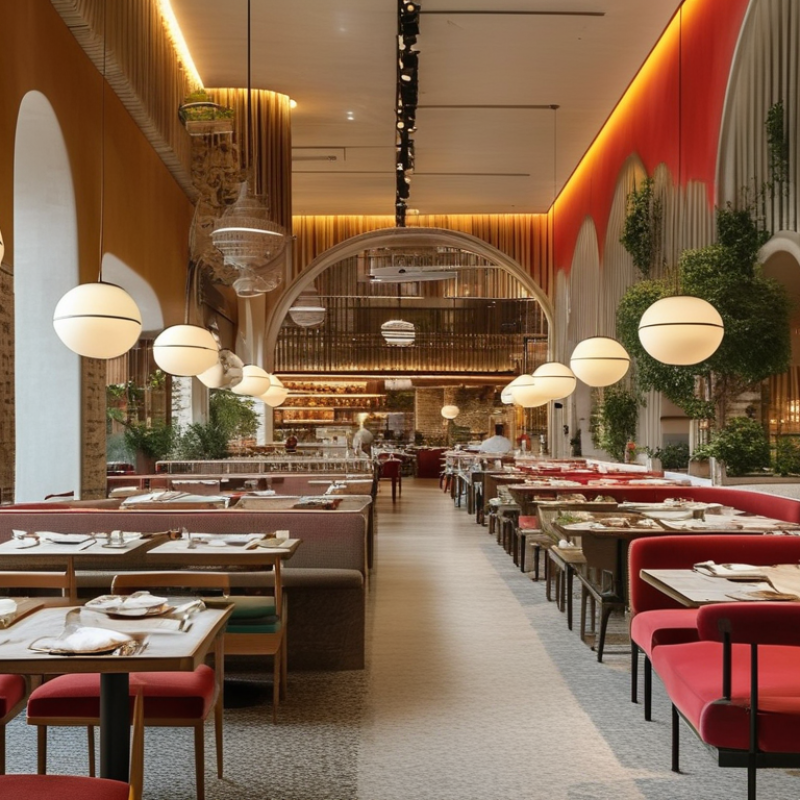
The restaurant design landscape is evolving rapidly, especially in 2026. Emerging color palettes are crucial in shaping restaurant aesthetics. Studies show that 60% of diners are influenced by their environment. This includes color schemes. Warm tones like terracotta and soft greens are on the rise. These colors create an inviting and cozy atmosphere.
Research highlights that intuitively chosen colors enhance patron comfort. For instance, a 2022 report from the National Restaurant Association indicates that establishments using warm, earthy tones see a 30% increase in customer retention. Additionally, minimalistic designs with subtle pastels promote a serene dining experience, helping customers unwind.
While vibrant colors can attract attention, balance is essential. Overuse of bright hues may overwhelm diners. Finding harmony in design is key. Restaurants must reflect their brand identity while considering emotional responses. Reflecting on these elements is crucial for future success in restaurant aesthetics.
The restaurant industry is evolving rapidly, especially when it comes to interior design. Sustainable materials are becoming essential in creating stylish environments. A recent industry report noted that 77% of consumers prefer dining spaces that reflect eco-friendly practices. This trend is reshaping how restaurants select their materials.
Innovative materials like reclaimed wood and recycled metals provide durability and reduce waste. Designers are increasingly utilizing biophilic elements, such as living walls and natural textures, to enhance the dining experience. Research shows that incorporating greenery can improve customer satisfaction by 15%. This focuses on a restaurant's commitment to sustainability while also appealing to patrons.
Tips:
1. Consider using local materials. This reduces transportation emissions and supports the community.
2. Mix aesthetics with functionality. An attractive space should also be practical for daily operations.
3. Reflect on your design choices. Are they contributing to sustainability goals or merely aesthetics?
Engaging with these innovative materials not only beautifies the restaurant but also builds an emotional connection with eco-conscious consumers. The shift towards sustainability is not just a trend; it’s a necessity for future success in the dining industry.
The rise of tech-integrated dining experiences is reshaping restaurant design in 2026. Innovative technologies create interactive environments. Digital menus, augmented reality, and immersive soundscapes enhance customer engagement. Guests expect these modern touches in their dining experience.
Smart tables are becoming common. They allow customers to order and pay without staff assistance. This tech reduces wait times and increases efficiency. However, it may lead to less personal interaction. Some diners miss the warmth of human connection.
Restaurants also embrace sustainability through tech solutions. Energy-efficient systems reduce their carbon footprint. This approach not only attracts eco-conscious customers but also promotes a responsible dining culture. Nevertheless, the reliance on technology raises questions about accessibility for all guests. Balancing innovation with inclusivity is key for future designs.
Biophilic design has become a significant trend in restaurant interiors. It emphasizes the integration of natural elements into dining spaces. By incorporating greenery, natural light, and organic materials, spaces come alive. Customers often feel more relaxed when surrounded by nature. The soothing effects of plants enhance the overall ambiance, making dining more enjoyable.
Creating zones with different plant types can elevate the dining experience. Vertical gardens can introduce a fresh element. Water features, though challenging, can provide a calming backdrop. However, maintenance is key. Neglecting plant care can alter the desired effects. Inviting nature indoors also requires consideration of light sources. Too much artificial light detracts from the natural look.
A balance between indoor and outdoor elements is crucial. Large windows can blur the lines between the two. Outdoor seating areas with lush greenery add to the allure as well. Yet, not every space can afford such features. Finding ways to mimic nature, even in small spaces, is valuable. Thoughtfully chosen decor can resonate with customers, promoting a more profound connection to the space.
In 2026, flexible spaces will redefine restaurant design. Adapting layouts for versatile use enhances customer experience. Dining areas can transform from intimate dinners to bustling events easily. Implementing movable partitions or modular furniture will help achieve this flexibility.
Consider the flow of your restaurant. Create areas that encourage movement while maintaining comfort. Use vibrant colors to distinguish spaces. This can make transitions feel seamless and inviting.
When designing, think about technology integration. Smart tables could serve different functions throughout the day. Additionally, ensure your spaces can accommodate various group sizes. Don't shy away from rethinking traditional layouts. Embrace the challenge of creating adaptable environments that reflect the evolving needs of diners.
| Trend | Description | Visual Example | Expected Impact |
|---|---|---|---|
| Flexible Seating | Incorporating movable and adaptable seating arrangements to accommodate various group sizes. | Images of modular furniture setups | Increased customer satisfaction and capacity optimization. |
| Multi-Functional Spaces | Designing areas that can host dining, events, and social gatherings. | Examples of event spaces in restaurants | Maximized revenue streams through diverse usage. |
| Biophilic Design | Integrating nature into the design to create a calming environment. | Photos of green walls and indoor plants | Enhanced customer well-being and connection to nature. |
| Smart Technology | Utilizing technology for reservations, ordering, and payment processes. | Screens showing digital menus | Streamlined operations and improved customer experience. |
| Local Aesthetic | Incorporating local culture and materials into the design. | Art and decor reflecting local heritage | Strengthened brand identity and community engagement. |
| Sustainable Materials | Using eco-friendly materials for furniture and decor. | Examples of reclaimed wood furniture | Positive environmental impact and appeal to eco-conscious diners. |
| Color Psychology | Using colors strategically to influence dining experiences. | Images of vibrant color palettes in restaurant settings | Enhanced mood and increased appetite. |
| Community Tables | Long tables designed for sharing among strangers. | Photos of communal dining setups | Fostering social interactions and new connections. |
| Mood Lighting | Incorporating adjustable lighting to set different dining atmospheres. | Examples of ambiance-focused lighting designs | Enhanced dining experience through atmosphere control. |
: Warm tones like terracotta and soft greens are becoming popular. They create a cozy atmosphere.
Studies show restaurants with warm colors see a 30% increase in customer retention. Comfort is key.
Digital menus and smart tables are on the rise. They enhance engagement and increase efficiency.
Yes, some diners miss personal connections. Too much tech can make dining feel less personal.
Movable partitions and modular furniture allow for flexible layouts. This can accommodate different events and diners.
Restaurants are using energy-efficient systems. This attracts eco-conscious diners and promotes responsible practices.
Balance is crucial. Overusing bright colors may overwhelm diners, whereas harmony keeps them comfortable.
Absolutely. They allow for intimate dinners and larger events, enhancing customer satisfaction and comfort.
Designers should create movement pathways while maintaining comfort. Vibrant colors can help differentiate spaces.
Yes, rethinking traditional layouts can be challenging but necessary. It’s essential to meet evolving diner needs.
As the restaurant industry evolves, understanding what are the latest trends in restaurant interior design for 2026 becomes essential for creating captivating dining experiences. Emerging color palettes will play a significant role, offering fresh aesthetics that resonate with contemporary diners. Innovative materials will increasingly blend sustainability with style, allowing for eco-conscious choices that don't compromise on design.
In addition, the rise of tech-integrated dining will redefine customer interactions and experiences, merging convenience with hospitality. Biophilic design remains crucial, emphasizing the connection between indoor spaces and nature to enhance ambiance. Lastly, flexible spaces will enable restaurants to adapt their layouts, accommodating diverse uses and ensuring a dynamic atmosphere that can cater to various occasions. These trends collectively promise to shape the future of restaurant interiors.

TwinVibe Furniture